

Japanese Prime Minister Sanae Takaichi and her ruling Liberal Democratic Party (LDP) got a historic landslide victory in last week’s parliamentary elections. This marks the first time since its founding in 1955 that the conservative LDP controls a two-thirds supermajority in the lower house. If necessary, Takaichi’s cabinet could also overrule any opposition in the upper house of the Diet (Japan’s parliament), where her coalition still lacks a majority. Given this, Takaichi now has a massive mandate to push her agenda. This includes boosting defence spending, strengthening the military and…
Posts published in “Politics”

Japan’s Prime Minister, Sanae Takaichi, has already made history since taking office in October 2025. Capitalising on her high approval ratings and “fresh new image”, she dissolved the lower house and called an election just four months into her term. Her gamble paid off, winning the Liberal Democratic Party (LDP) more seats in the lower house than any party in post-war Japan: 316 of a possible 465. Its coalition partner, the Japan Innovation Party (JIP), won a further 36 seats. With a strong (and resoundingly consolidated) mandate, Takaichi is now…
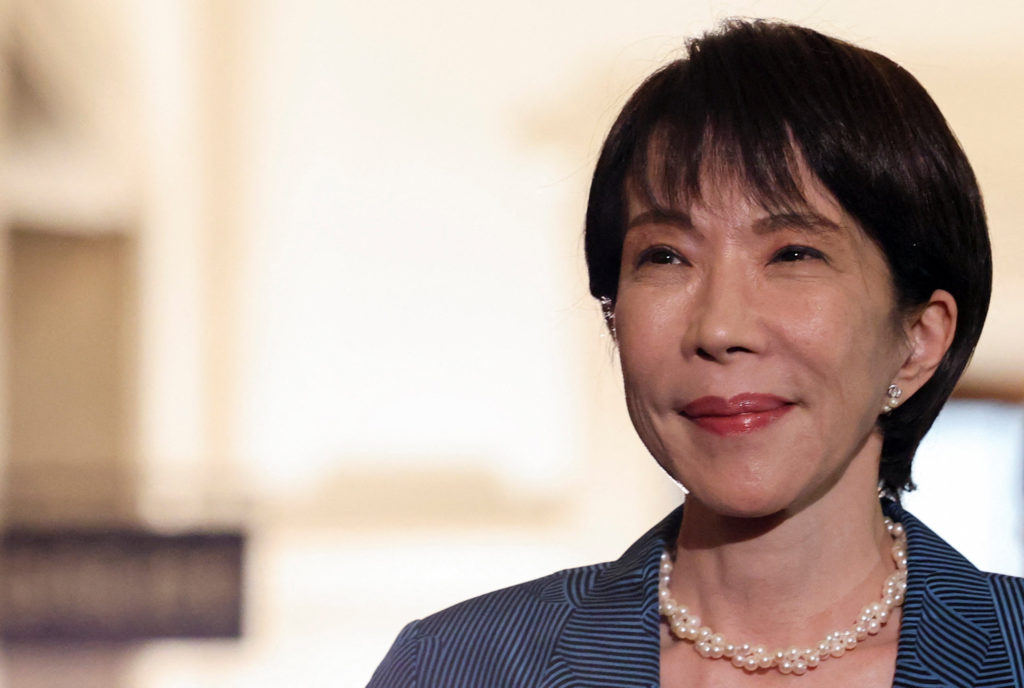
Sanae Takaichi led Japan’s Liberal Democratic Party to a historic landslide victory in February 2026, rebranding it as a modern, youth-friendly force and capitalising on her image as Japan’s first female prime minister — even as scandals and coalition ruptures had recently left the party vulnerable. Her mandate rests more on personal appeal and nationalist positioning than on a detailed policy program, with younger voters backing an image of change rather than a coherent reform agenda. Yet significant uncertainty surrounds her fiscal strategy, which risks deepening stagflation, and her hawkish…
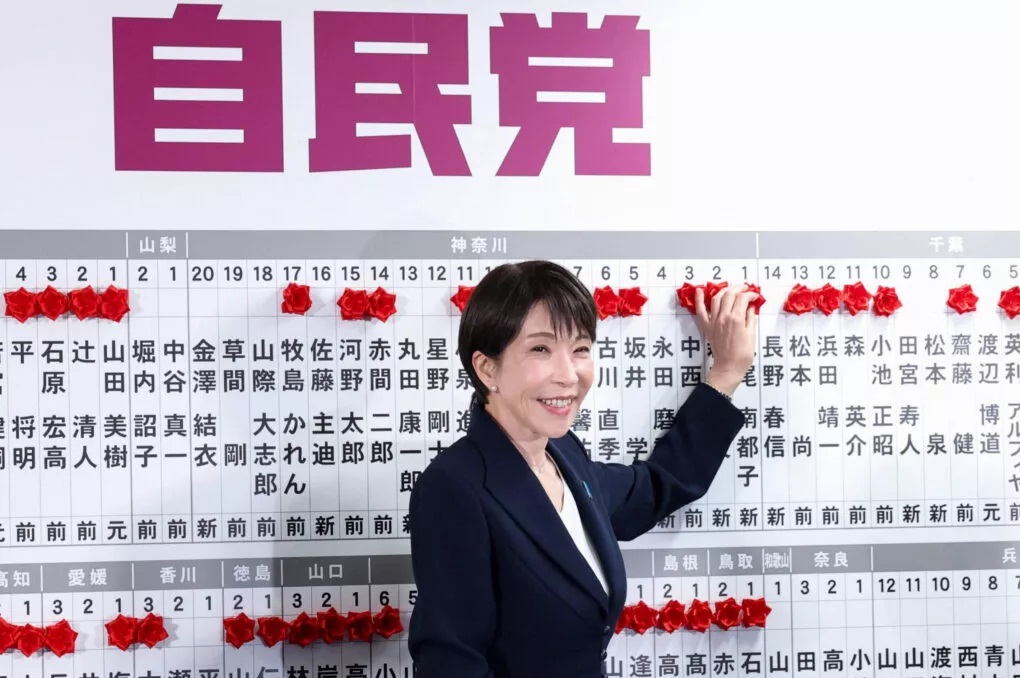
Sanae Takaichi led the Liberal Democratic Party to a historic landslide in Japan’s February 2026 lower house election, defying minority government status, coalition fractures and lingering scandals by leveraging her personal popularity, nationalist narrative and a highly effective digital campaign. Her rebranding of the LDP and strong appeal among younger voters delivered the party’s largest postwar majority, but lofty promises of strategic investment and national strength now face the constraints of fiscal reality and intensifying great power competition. apanese Prime Minister Sanae Takaichi’s Liberal Democratic Party (LDP) achieved a stunning…

Japan is preparing to lift long-standing restrictions on lethal weapons exports, marking another step in the erosion of its post-war arms export taboo. While the reform creates new diplomatic and commercial opportunities and allows deeper security cooperation with regional partners, Japan’s defence industrial base remains small, costly and capacity-constrained. Domestic procurement demands and labour shortages mean exports will likely remain modest, limiting the policy’s practical and strategic impact on regional military balances. Prime Minister Sanae Takaichi’s government is looking to loosen Japan’s long-standing restrictions on weapons exports, marking another step…
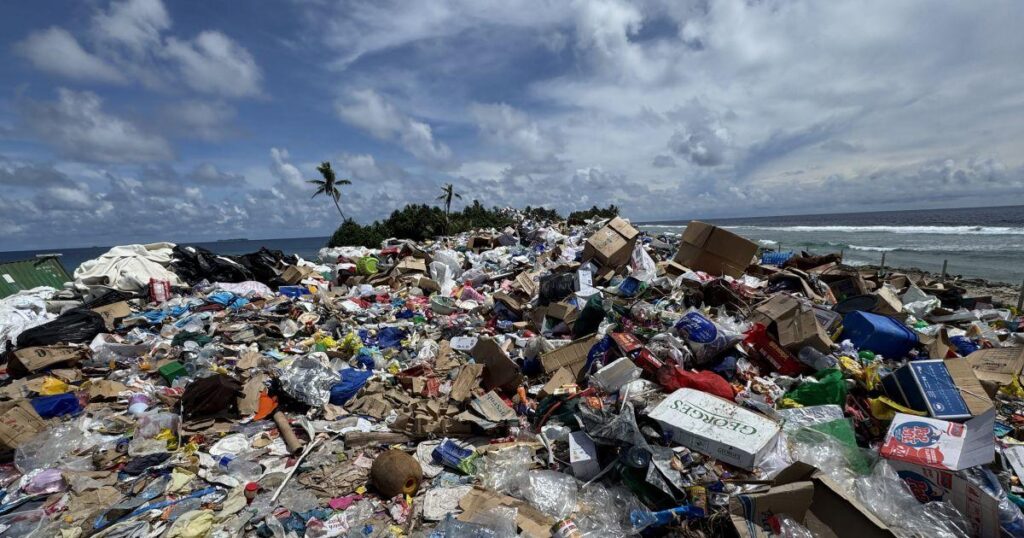
The search for rare earths for energy transition is often regarded as a form of neo-colonialism, and today it is the area in which this phenomenon manifests itself most clearly, especially due to its geopolitical and economic effects. However, there are other neo-colonial practices that are less visible but with equally negative consequences at the local level. One of these is the export of waste to Africa and Asia by Western countries, particularly the export of plastic, clothing, and electronic waste. The export of waste to the Global South is…
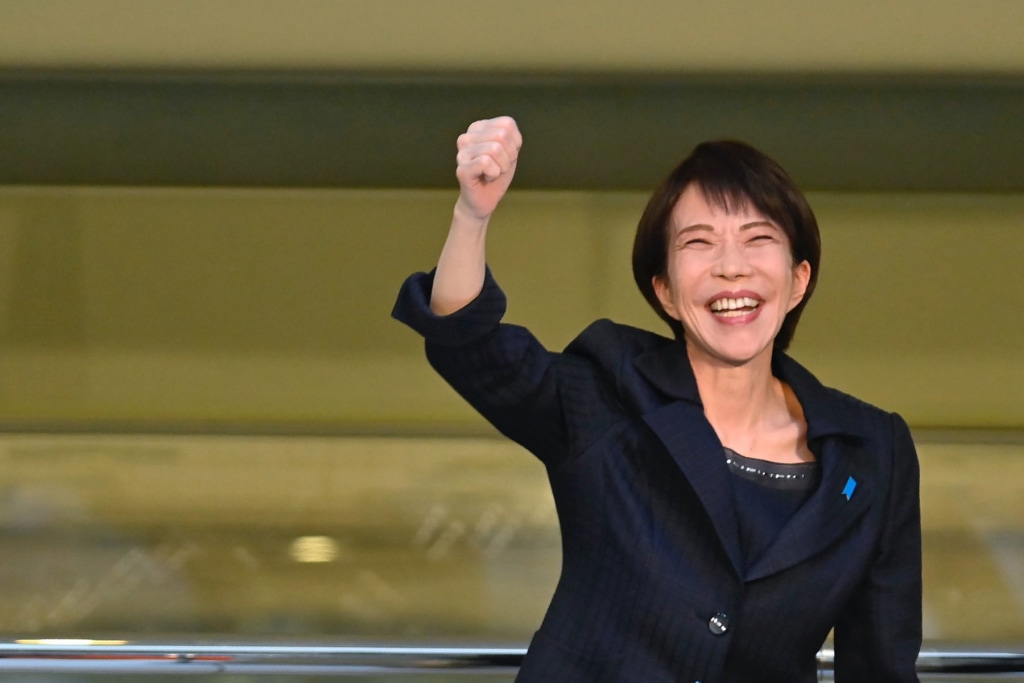
Prime Minister Sanae Takaichi’s conservative Liberal Democratic party (LDP) has secured the biggest election victory seen in Japan since the end of the second world war. In elections on February 8, it won 316 seats out of a total of 465 in the lower house of Japan’s parliament. The Japan Innovation party, its junior coalition partner, secured a further 36 seats. Many had predicted an LDP win. Takaichi called the snap election in January to capitalise on her high approval ratings since becoming Japan’s first female prime minister months earlier.…
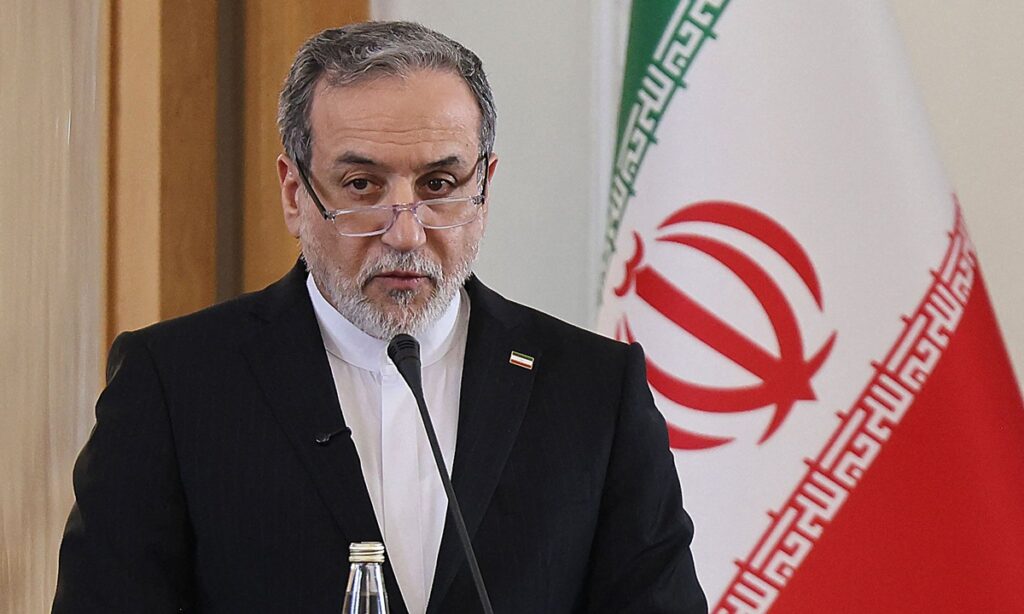
Iranian Foreign Minister Abbas Araghchi said Tehran has briefed Moscow and Beijing on the details and progress of its negotiations with Washington over differences regarding Iran’s nuclear program, Russian media outlet RIA Novosti reported Monday. A Chinese expert said the move reflects routine coordination under the strategic partnership and shows Iran actively seeking support and balance amid a complex geopolitical environment. A day earlier, Iranian Deputy Foreign Minister Kazem Gharibabadi wrote on social media platform X that he had held meetings with the Chinese and Russian ambassadors in Tehran following…
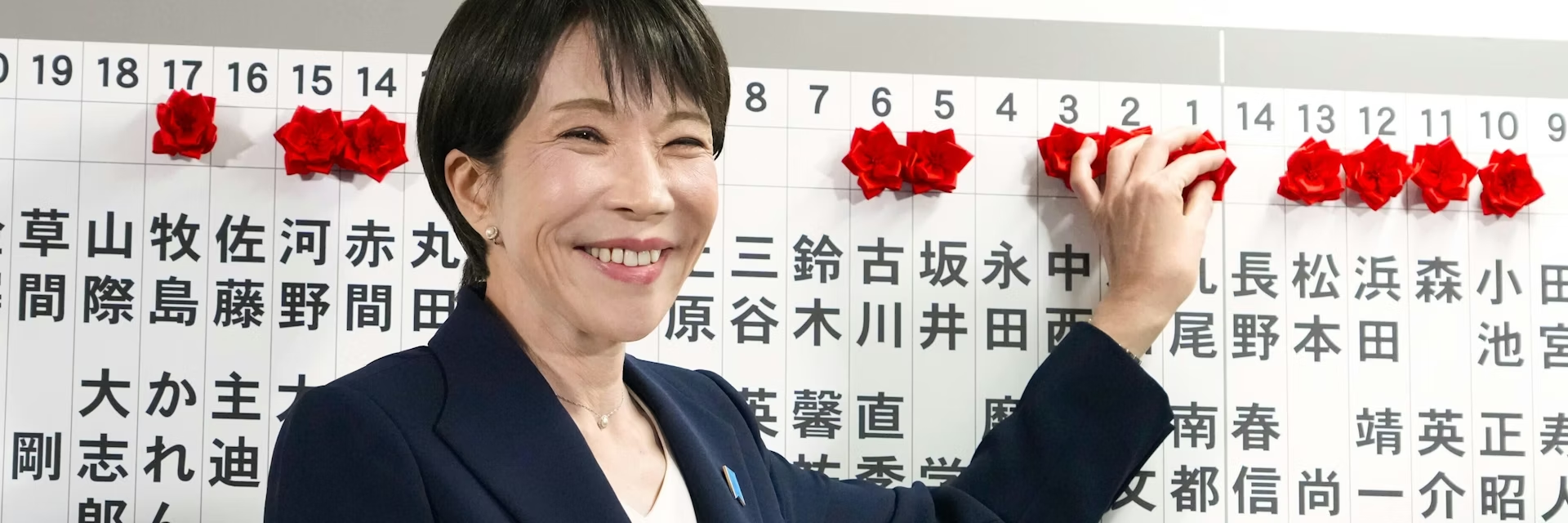
Japanese Prime Minister Sanae Takaichi has delivered her Liberal Democratic Party (LDP) a landslide victory in the parliamentary elections she called shortly after taking office. Now that she has consolidated her power in Japan’s legislature (called the Diet), the big question is what she will do with it. Since her ascent to the prime ministership in a parliamentary vote in October, the ultra conservative Takaichi has upended the normally staid Japanese political system. She has connected with younger voters like no other Japanese leader in recent history with her savvy…
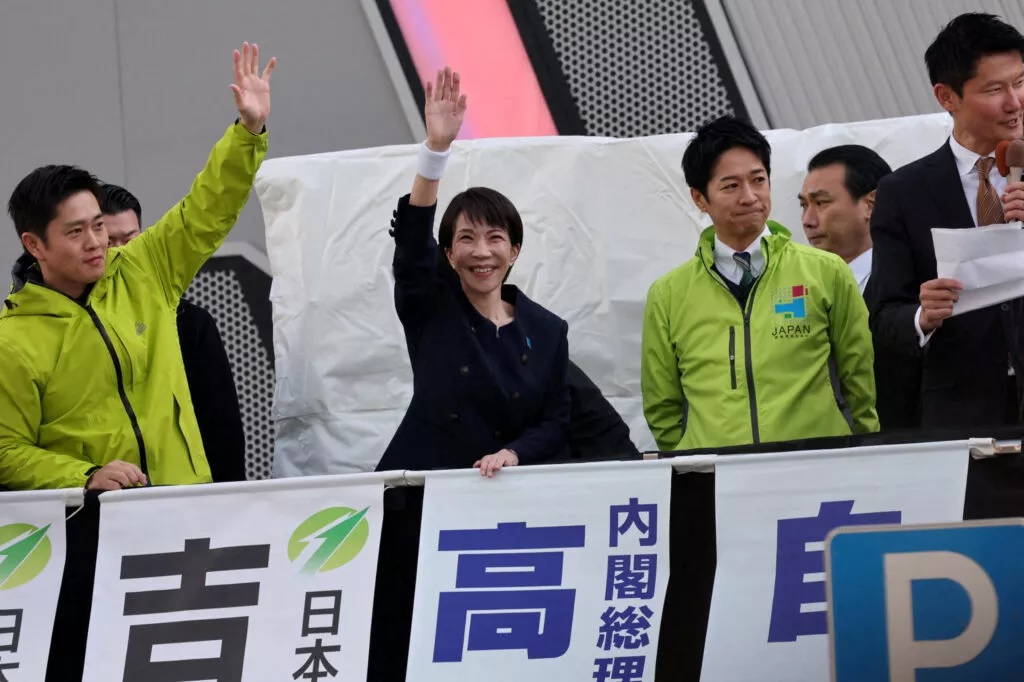
Trump’s Venezuela operation marks a move towards ‘Donroeism’ as the United States seeks to assert dominance over the Western Hemisphere. While this shift may create strategic space for China by reducing the likelihood of direct US–China confrontation, it is unlikely to directly trigger Chinese military action over Taiwan. Instead, a key determinant will be the credibility of the US response to a Taiwan contingency — which appears increasingly uncertain. While Japan remains dependent on the United States for its security, it could bolster regional stability by pursuing a more autonomous…